Building Automated Customer Funnels That Actually Work in Charlotte
What Makes an Automated Acquisition Sequence Effective?
An effective automated acquisition sequence works because it moves a prospect from first interest to a qualified lead without manual effort, but only when each step is designed to match how real people decide. The core of any good sequence is a clear path: capture attention, hold it with relevant information, and prompt a natural next action. When done right, the sequence feels helpful rather than pushy.
The challenge is that automation can easily feel impersonal. The difference between a sequence that converts and one that gets ignored often comes down to timing, relevance, and the quality of the follow-up. A well-built sequence uses data from the moment a visitor lands on a page to decide what they see next. That might mean showing a different message to someone who read a pricing page than to someone who downloaded a guide. The more the sequence adapts, the better it performs.
Start with Lead Capture That Actually Works
Every acquisition sequence begins with capturing a lead. But not all capture methods are equal. A simple form on a landing page can work, but only if the offer is compelling enough to exchange contact details. The key is to match the ask to the value. If you ask for a phone number and a company name, the offer should feel worth that level of commitment. A free checklist or a short video often works better than a generic "subscribe" prompt.
Landing pages dedicated to a single offer tend to convert better than pages with multiple calls to action. The page should have one clear goal, whether that is signing up for a demo, downloading a resource, or requesting a quote. Distractions like navigation links or multiple buttons can drop conversion rates quickly. Keeping the page focused helps the visitor stay on the path you want them to follow.
Qualify Leads Before You Automate
Not every lead is worth the same amount of attention. A good sequence separates casual browsers from serious buyers early. This is where lead qualification comes in. You can use a few simple questions on the capture form, or score leads based on behavior. Someone who visits the pricing page three times in a week is probably more ready to talk than someone who read one blog post and left.

Once you know who is who, you can route them into different sequences. A hot lead might get a direct call request or a demo link. A cold lead might receive a series of educational emails over several weeks. The goal is to invest your time where it counts, and let the automation handle the rest. This kind of segmentation turns a generic funnel into a smart one.
Follow-Up Sequences That Keep People Engaged
The follow-up is where most sequences fall apart. Many businesses send one email and then wait. But research shows that most conversions happen after multiple touches. A good sequence includes a mix of emails, reminders, and maybe a text message or a retargeting ad. The pacing matters too. Too fast and you seem desperate. Too slow and the prospect forgets you.
The best way to keep a sequence from feeling robotic is to use triggers based on real actions. If someone opens an email but does not click, send a different follow-up than if they clicked but did not buy. If they ignore three emails, pause the sequence and try a different channel later. This kind of responsive automation is where software for consistent lead follow up really shines. It does not just send messages on a schedule; it adjusts based on how the lead behaves.
Landing Pages That Convert
Every step in an automated funnel should lead to a landing page that continues the conversation. If your email promises a free consultation, the landing page should make it easy to book one. If the email talks about a specific problem, the page should address that problem directly. Consistency between the message and the destination builds trust. A mismatch feels like bait and switch, and visitors will leave.
Good landing pages also have a strong call to action. The button text should say what will happen next, not just "submit" or "click here." Something like "Book My Free Call" or "Download the Guide" is clearer and gets more clicks. The page should also load fast and work well on mobile, because many people will read your email on their phone and click through immediately.
Measuring What Matters
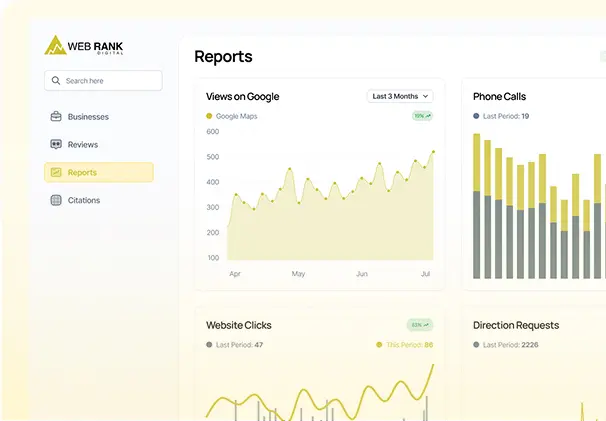
An automated acquisition sequence is only as good as the data you use to improve it. Track conversion rates at each stage: how many people fill out the form, how many open the first email, how many click through, and how many eventually become customers. If a step has a big drop-off, that is where you focus your energy. Maybe the email subject line is weak, or the landing page takes too long to load. Small changes can make a big difference over time.
It is also worth tracking how long leads stay in the sequence before converting. Some products have a long sales cycle, and that is fine. But if most leads go cold after a certain number of touches, you might need to adjust the content or the timing. The goal is not to rush people, but to stay relevant until they are ready.
Common Mistakes to Avoid
One common mistake is setting up a sequence and then ignoring it. Automation is not a set-it-and-forget-it tool. Markets change, offers change, and what worked last quarter might not work this quarter. Regularly review your sequences and update the content, the offers, and the triggers. Another mistake is over-automating. If every single interaction is scripted, the experience can feel cold. Leave room for a human touch, especially when a lead asks a specific question or shows high intent.
Another pitfall is not testing enough. Try different subject lines, different send times, and different offers. A small A/B test can reveal what your audience actually responds to. Without testing, you are guessing. And guessing is expensive when you are spending time and money on ads or content to drive traffic into the funnel.
Putting It All Together
An effective automated acquisition sequence is not about sending as many messages as possible. It is about sending the right message at the right time, based on what the lead has done. It starts with a clean capture process, moves through smart qualification, and follows up with relevant content that adapts to behavior. The whole system works best when you treat it as a living process that you tune over time.
For businesses in Charlotte and beyond, having a system that handles the repetitive parts of lead follow-up frees up time to focus on closing deals and serving customers. Using software for consistent lead follow up helps make sure no lead falls through the cracks, even when the team is busy. The result is a funnel that works harder for you, without needing constant attention.
Web Rank Digital, located at 401 s Graham st Charlotte NC 28202, can be reached at +1 877-726-5871 for those interested in learning more about their customer acquisition platform.
Web Rank Digital is also on LinkedIn.